Nutritious Meals Everyday
I will be providing fresh, healthy meals and snacks for your child. General tuition covers breakfast, lunch, and a snack. On parent’s night, I will also be supplying a home-cooked dinner.
Little Embers aims to fit the Child and Adult Care Food Program standards. The CACFP is a U.S. government program that helps child care centers, after-school programs, and some adult care centers serve healthy meals and snacks.
It sets rules for what kinds of meals meet healthy standards (for example, including fruits, veggies, milk, whole grains, and proper portions).
It’s meant to make sure children and some adults in care get balanced meals — especially those from low-income families.
It’s run by the USDA and managed by each state.
This program allows for FDCH Sponsors to provide training, conduct monitoring, assist with planning healthy and well balanced menus.
A healthy relationship with food early on in life sets up children for a lifetime of success!
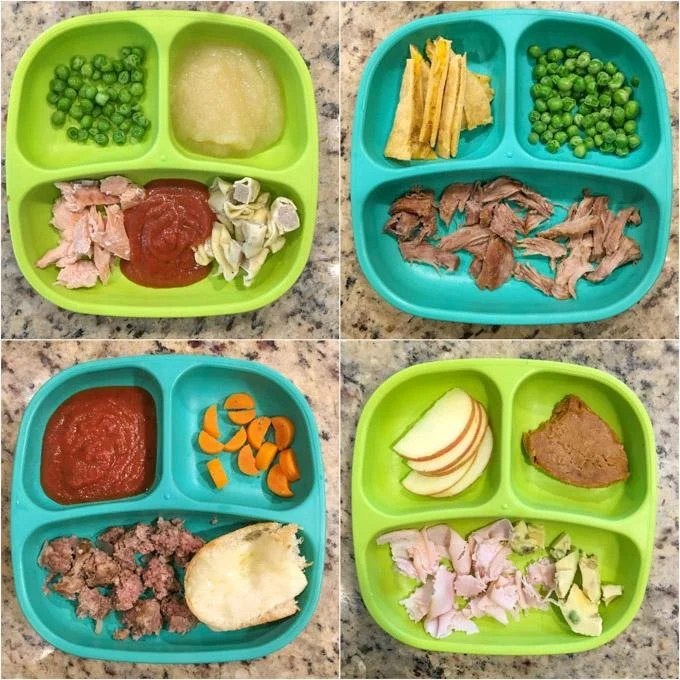
Healthy Balanced Meals
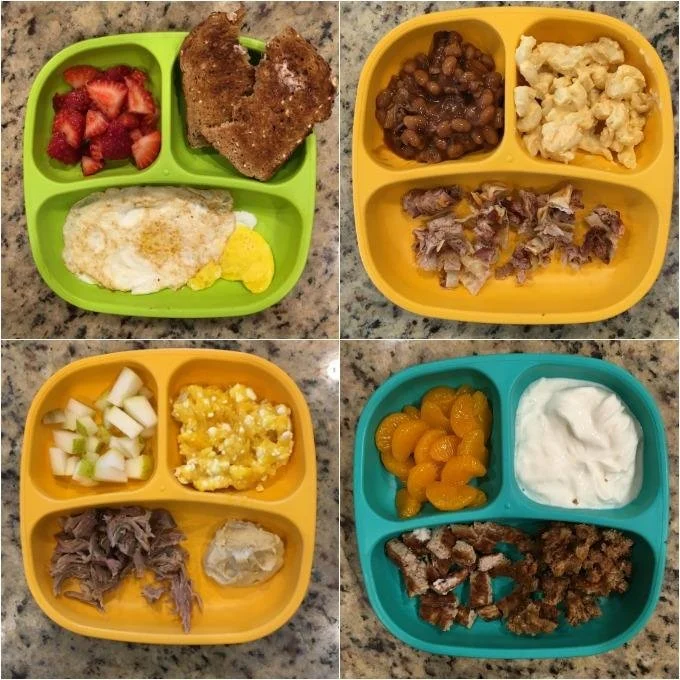
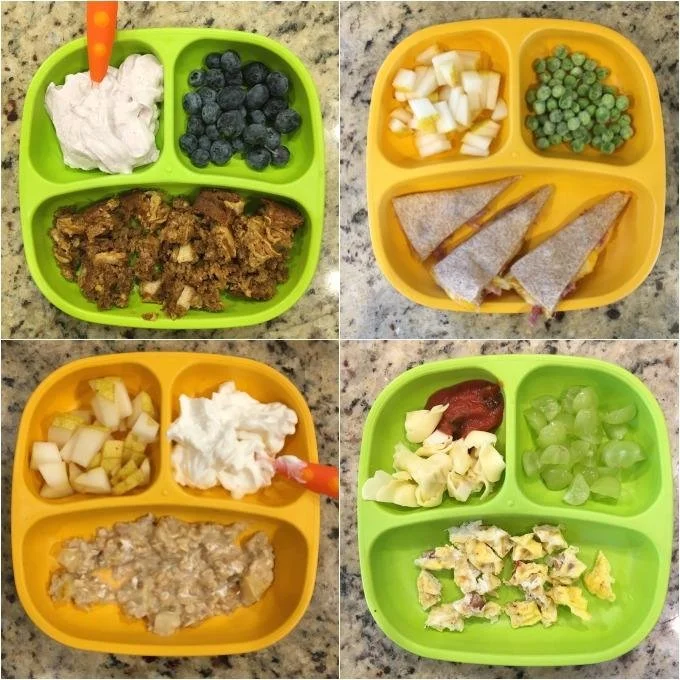
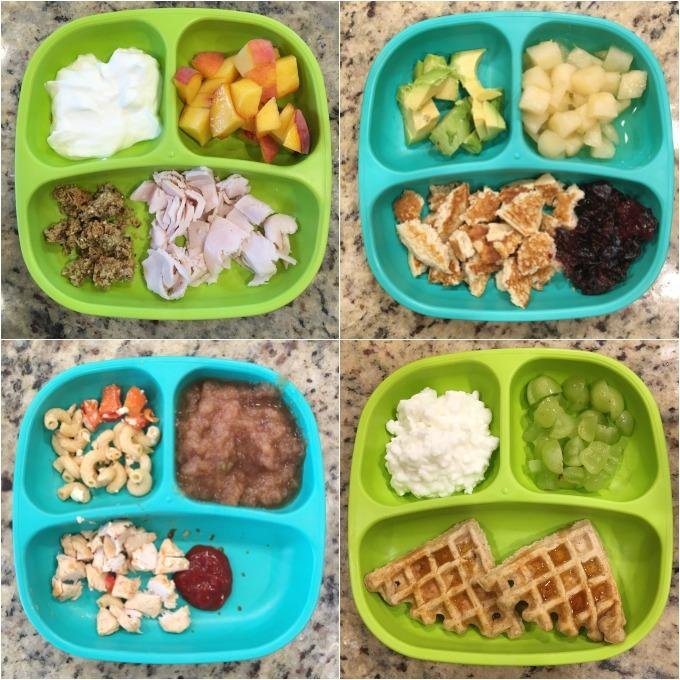
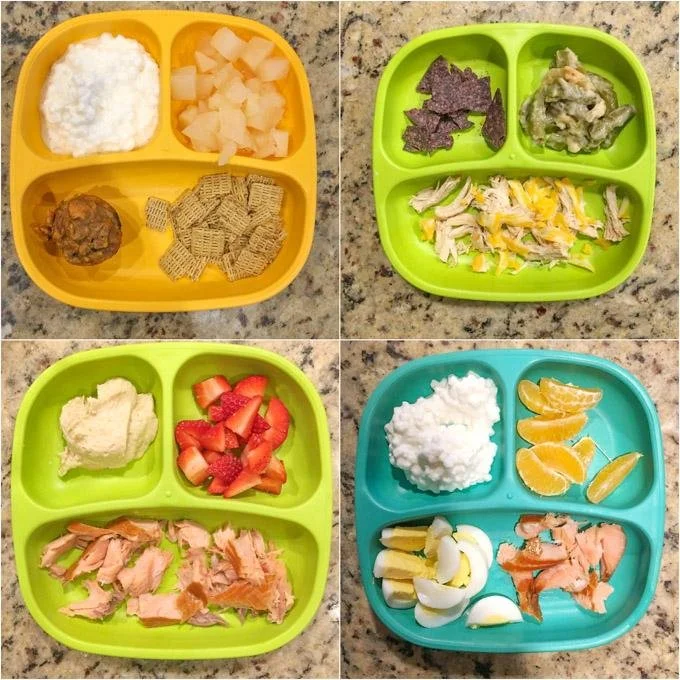
*Example photos below*
I always have an anti-choaking device within reach during meal time! Babies and toddlers are learning to eat and are always testing the boundaries of what they can handle
Balanced Diet Foods for Toddlers (1–3 Years Old)
1. Fruits
Soft, easy-to-chew, high in vitamins
Bananas
Strawberries (quartered)
Blueberries (halved if needed)
Raspberries, blackberries
Applesauce (unsweetened)
Peaches/nectarines (peeled, diced)
Pears (soft or canned in juice)
Mandarin oranges
Watermelon, cantaloupe, honeydew
Mango (soft pieces)
2. Vegetables
Offer cooked/soft textures for safety
Steamed carrots
Peas
Green beans
Broccoli florets (soft-steamed)
Cauliflower (soft-steamed)
Butternut squash
Sweet potatoes
Zucchini or yellow squash
Spinach (sautéed or in eggs)
Cucumbers (peeled, thin slices or sticks)
3. Grains & Carbs
Whole grains are best for energy
Whole-grain bread
Tortillas
Cheerios or low-sugar cereals
Oatmeal
Whole-grain waffles/pancakes
Brown rice
Quinoa
Whole-grain pasta
Crackers (low-sodium)
Soft muffins (banana, blueberry)
4. Protein
Supports growth & satiety
Eggs (scrambled, hard-boiled)
Shredded chicken
Ground beef or turkey (soft, small pieces)
Meatballs (cut small)
Fish (salmon, cod—no bones)
Beans (black, pinto, chickpeas mashed slightly)
Lentils
Tofu (soft cubes)
Nut butters (thinly spread)
Hummus
5. Dairy (or Alternatives)
Calcium + healthy fats
Whole milk
Yogurt (whole-milk, low sugar)
Cheese (shredded or small cubes)
Cottage cheese
Fortified nondairy milk (soy, oat, almond)
Yogurt melts or squeezables (low sugar)
6. Healthy Fats
Important for brain development
Avocado
Olive oil (on veggies/pasta)
Nut butters
Flaxseed (ground into oatmeal or yogurt)
Chia seeds (mixed into foods)
Sample Balanced Toddler Plate
(ideal CACFP-friendly too)
✔ ½ fruit + ½ veggie
✔ 1 grain
✔ 1 protein
✔ 1 dairy or healthy fat
Example meal:
Soft diced sweet potatoes
Shredded chicken
Applesauce
Whole-grain toast strip
Yogurt or milk